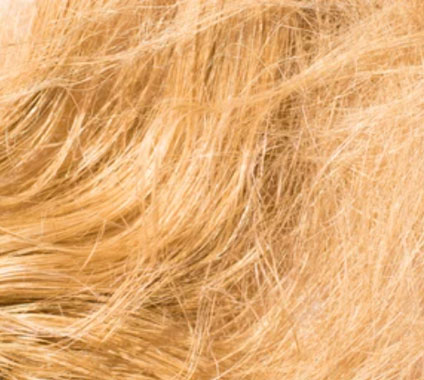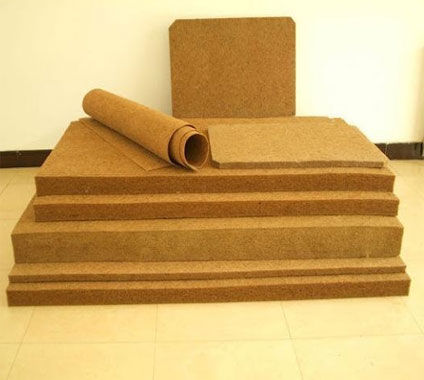
Brown fibre is obtained by harvesting fully mature coconuts when the nutritious layer. The Brown fibrous husks are soaked in pits or in nets in a slow moving body of water to swell and soften the fibres. The long bristle fibres are separated from the shorter mattress fibres underneath the skin of the nut, a process known as wet-milling.
The Brown fibre is allowed to retain more moisture.
Retains its elasticity for ‘twisted’ fibre production.
The coir fibre is elastic enough to twist without breaking and it holds a curl as though permanently waved.
Brown coir is used in brushes, doormats, mattresses and sacking. A small amount is also made into twine.
The mattress fibres are sifted to remove dirt and other rubbish, dried and packed into bales.
| Product Name | Coir Brown |
|---|---|
| Color | Golden yellow / Brown Coir fibre |
| Quality | Premium Grade |
| Fibre Length | 5 ~ 25 cms |
| Moisture | < 18 % |
| Impurities | < 3% |
| Weight | Appx 105 ~ 120 kg |
| Dust content | < 3% |
| Sand percentage | less than 2 % |
| Fiber percentage | 98% No Husk, Small or Big pith |
| Bale Size | 48 x 30 x 18 " |
| Type | Description |
|---|---|
| Container Size | 40 ft high cube |
| Bulk Loading | Appx 198 Bales |
| Pallet Loading | 140 Bales per container /20 pallets |
| Pieces / Per Pallet | 140 Bales |
| Card Board | 12 Pieces of printed cardboard corners |
| Straps | 12→ 8↑ White printed strappings |
| Straping | White printed strappings |
| Stretch Film | 4 Layers Transparent Plastic |
| Cover | Black Rigid Plastic |
| Pallet Label | Product Technical Sheet |